
☀️ Summer Survival Overview
Summer presents intense challenges: extreme heat, water scarcity, wildfire risks, and severe storms. Success depends on heat management, water conservation, and preparation for seasonal disasters.
Key Summer Threats:
- Heat waves — Life-threatening temperature extremes
- Water scarcity — Increased consumption and reduced sources
- Wildfire season — Rapid evacuation requirements
- Severe storms — Hurricanes, tornadoes, derechos
🌡️ Heat Wave Survival Strategies
Immediate Heat Emergency Response
- Cool water immersion — Feet, wrists, neck cooling
- Wet clothing technique — Evaporative cooling
- Underground shelter — Basement, root cellar, cave
- Heat exhaustion recognition — Heavy sweating, weakness, nausea
Daily Heat Management
- Activity timing — Work during dawn and dusk only
- Midday rest — Complete inactivity 11 AM - 4 PM
- Shade creation — Tarps, lean-tos, natural cover
- Air circulation — Battery fans, wind tunnels
Cooling Shelter Improvements
- Double-wall construction with air gap
- Reflective outer surfaces (emergency blankets)
- Cross-ventilation design
- Underground or earth-bermed construction
Clothing for Extreme Heat
- Light colors — Reflect heat and sunlight
- Loose fitting — Allow air circulation
- Lightweight materials — Cotton or linen
- Head protection — Wide brim hats, neck covers
💧 Water Conservation & Management
Water Needs Calculation
- Normal conditions — 2-3 liters per person per day
- Heat wave conditions — 4-6 liters per person per day
- Heavy work — Up to 8 liters per person per day
- Group planning — Add 20% buffer for emergencies
Water Collection Techniques
- Dew collection — Cloth wicks and collection tarps
- Solar stills — Evaporation and condensation systems
- Rainwater harvesting — Storm collection systems
- Tree tap methods — Birch, maple water collection
Water Storage and Preservation
- Underground storage — Cooler temperatures reduce evaporation
- Dark containers — Prevent algae growth
- Rotation system — Use oldest water first
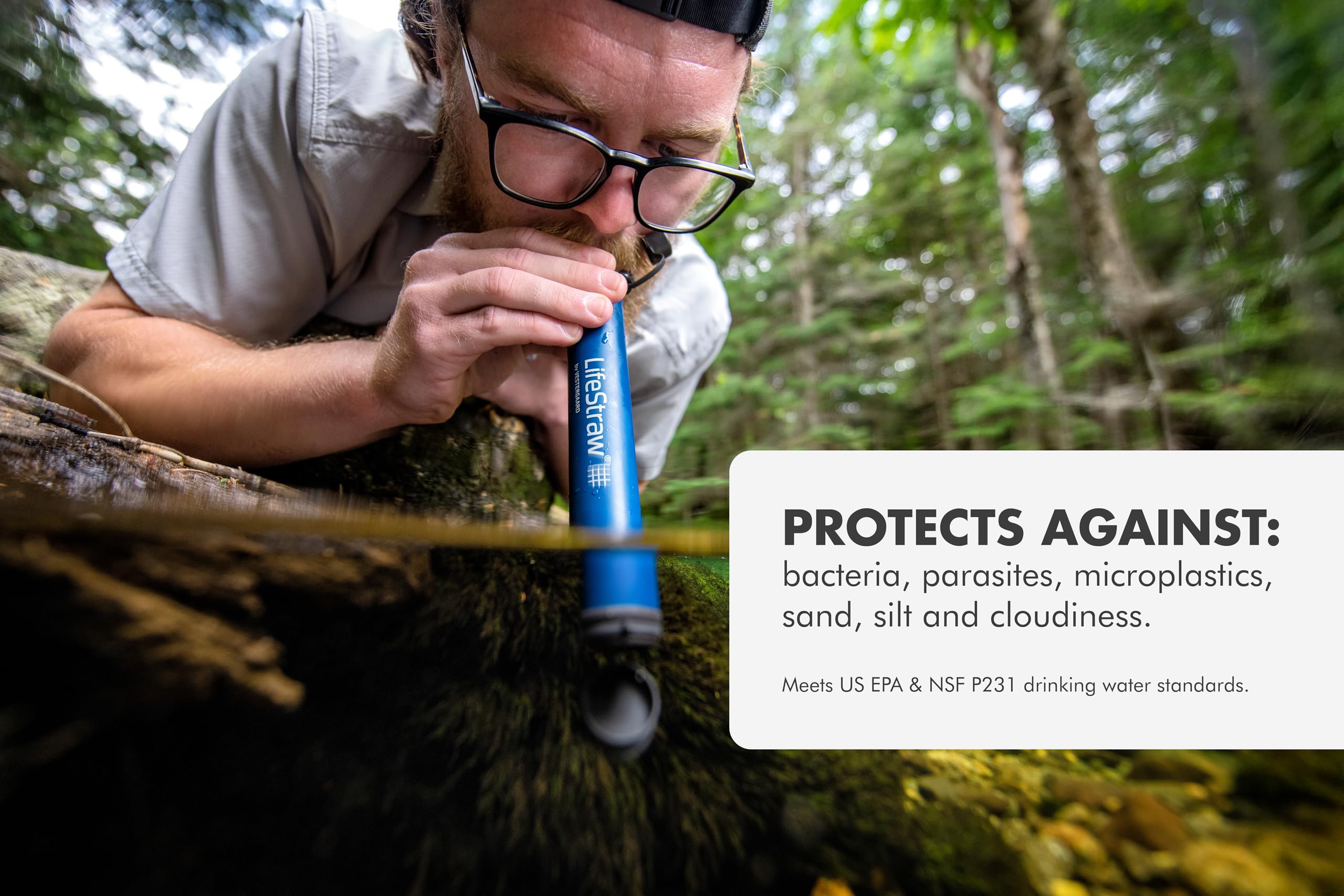
- Purification maintenance — Heat increases contamination risk
Water Rationing Protocols
- Priority system: drinking > cooling > food prep > cleaning
- Individual daily allocations based on role and health
- Emergency reserves (20% of total never touched)
- Group monitoring and accountability systems
🔥 Wildfire Season Readiness
Fire Risk Assessment
- Fuel load evaluation — Dry vegetation around shelter
- Wind pattern analysis — Dominant fire spread directions
- Escape route planning — Multiple evacuation paths
- Fire break creation — Cleared zones around shelter
Evacuation Go-Bag
- Essential documents — Maps, medical info, contacts
- Three days of water — Per person minimum
- High-energy food — Compact, non-perishable
- First aid supplies — Burns treatment priority
Fire Fighting Capabilities
- Water reserves — Dedicated firefighting supply
- Pump and hose system — Pressurized water delivery
- Fire suppressants — Dirt, sand, foam alternatives
- Team coordination — Assigned roles and communication
Post-Fire Recovery
- Safe return protocols and assessment
- Air quality monitoring (ash and smoke)
- Water source contamination checks
- Shelter damage evaluation and repair
⛈️ Severe Summer Storm Preparation
Hurricane/Typhoon Readiness
- Shelter reinforcement — Storm shutters, tie-downs
- Flooding preparation — Elevation and drainage
- Wind resistance — Aerodynamic modifications
- Evacuation timing — Before roads become impassable
Tornado Response
- Safe room identification — Lowest level, interior room
- Warning system — Weather radio, visual cues
- Protection gear — Helmets, padding, blankets
- Post-tornado safety — Gas leaks, structural damage
Flash Flood Response
- High ground retreat routes
- Vehicle abandonment protocols
- Swift water rescue techniques
- Post-flood water purification needs
🛡️ Summer Security Considerations
Increased Group Movement
- Peak travel season for other survivor groups
- Resource competition at water sources
- Trade opportunities but higher contact risks
- Enhanced perimeter monitoring needed
Heat-Related Security Issues
- Reduced alertness — Heat affects cognitive function
- Shorter watch shifts — Prevent heat exhaustion
- Night activity advantage — Cooler temperatures
- Hydration for guards — Maintain vigilance capability
Summer Camouflage
- Brown and tan patterns for dry vegetation
- Heat signature reduction techniques
- Minimal daytime movement
- Sound discipline in open summer air
✅ Summer Preparedness Checklist
Before Summer Arrives:
- □ Upgrade shelter ventilation and cooling
- □ Increase water storage capacity
- □ Create fire breaks around shelter
- □ Prepare evacuation routes and go-bags
- □ Stock heat-appropriate clothing
Early Summer (June-July):
- □ Implement daily heat management routines
- □ Begin water conservation protocols
- □ Monitor fire danger levels daily
- □ Test storm preparation systems
- □ Adjust security shifts for heat
Peak Summer (July-August):
- □ Maintain strict midday rest periods
- □ Monitor group members for heat stress
- □ Rotate high-stress duties frequently
- □ Keep evacuation bags ready
- □ Plan fall transition preparations