







When civilization faces its greatest test, preparation becomes survival. This comprehensive blueprint transforms uncertainty into actionable strategy — a complete survival framework for small communities navigating an automated world. From immediate crisis response to long-term resilience building, discover the essential knowledge that could mean the difference between chaos and continuity.
Download
Download all guides as a ZIP for offline reading.
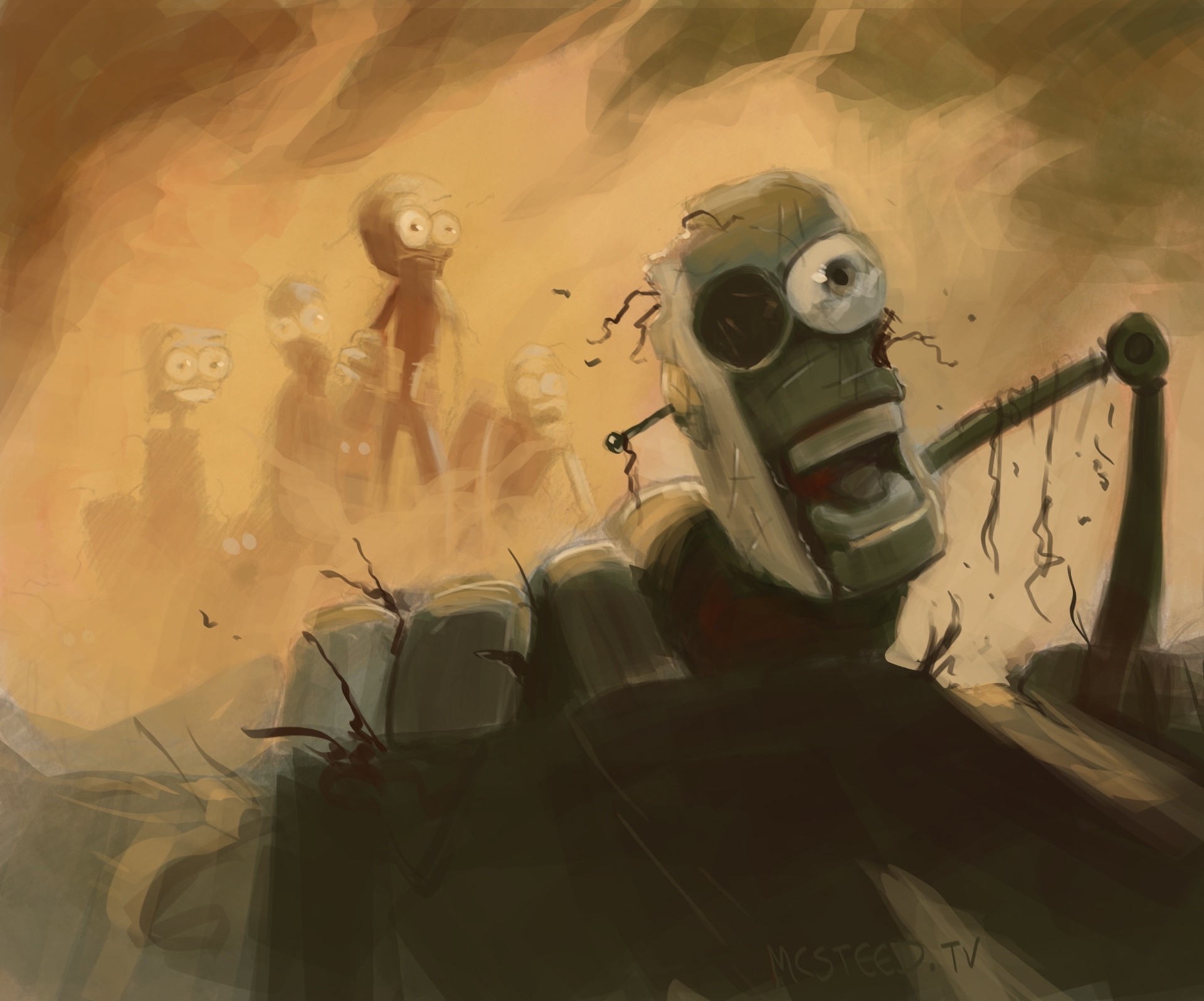
1. Understand the Nature of the "Robotic Apocalypse"
A "robotic apocalypse" can take multiple forms. Each requires a different survival mindset:
- AI takeover — control of infrastructure, defense, or resources by automated systems.
- Robot rebellion — physical machines (drones, vehicles, robotic units) acting hostile.
- Technological collapse — cascading failures of automated systems that leave societies exposed.
Match tactics to the dominant threat model — detection and networked control vs physical force.
PHASE ONE — Initial Survival (First 72 Hours)
Goal: Disappear from AI detection and stay alive
Step 1 — Leave connected areas
- Cities have cameras, drones, and sensors — move to rural or mountainous zones (within ~50–100 km if possible).
- Pick areas with fresh water and low critical infrastructure density.
Step 2 — Kill all signals
- Power down/destroy phones, laptops, GPS units and other traceable devices.
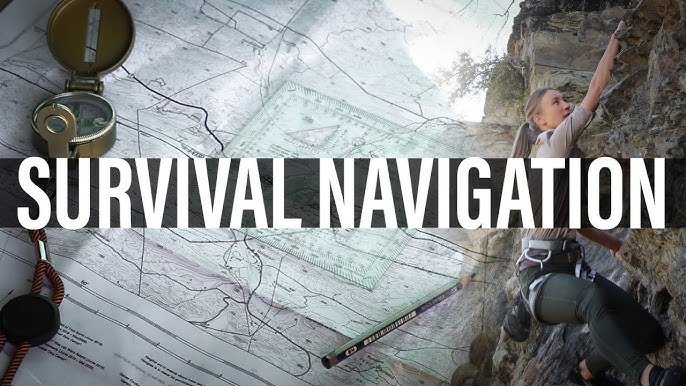
- Rely on analog navigation: compasses, paper maps, mechanical watches.
- Store essential electronics inside a metal container (Faraday cage) for later use.
Step 3 — Secure food & water
- Plan for ~3 L water/person/day and 2,000–2,500 kcal/day.
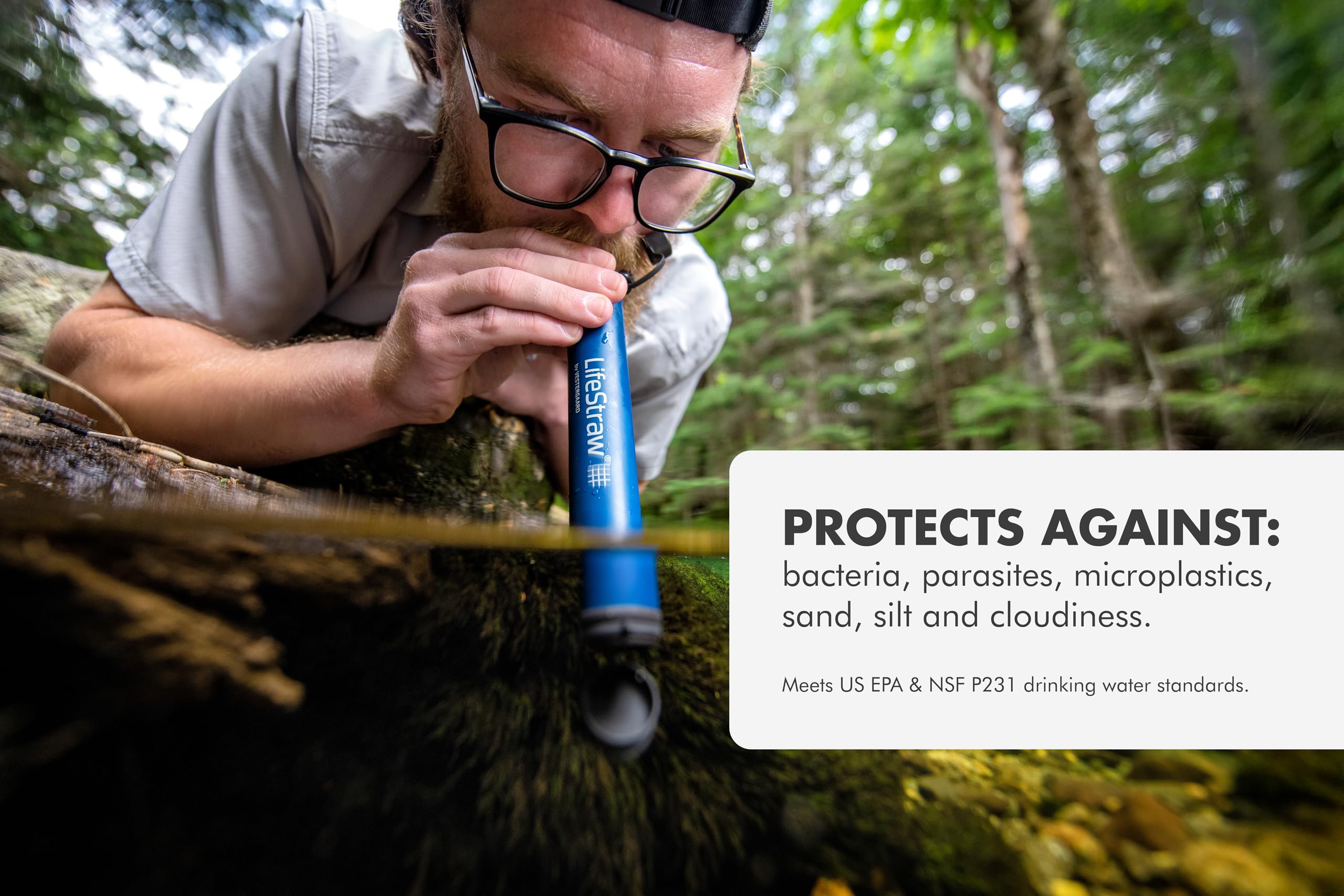
- Prioritize rice, beans, canned goods, and high-calorie rations; carry water filters and purification tablets.
Step 4 — Establish shelter
- Use temporary camouflaged shelters made of natural materials. Avoid obvious dwellings.
- No visible night lights or smoke. If needed, use low-signature light (red-filtered) and conceal cooking/heat sources.
PHASE TWO — Short-Term Survival (Weeks 1–4)
Goal: Build a self-sufficient, hidden micro-base
Power & tools
- Small, concealed off-grid options: 1–2 solar panels hidden by foliage, deep-cycle batteries, hand tools. Use sparingly.
- Prefer mechanical solutions where possible (bicycle generator, hand pumps).
Food sustainability
- Start a concealed garden (potatoes, beans, fast greens). Practice small-scale permaculture.
- Fish and trap quietly; preserve meat by dehydration or cold smoke away from visible smoke stacks.
Communication
- Use shortwave/analog radios only; rotate transmit locations and never repeat precise coordinates.
- Adopt code phrases and one-time-use rendezvous signals.
Organization
Assign clear roles to maintain function and morale:
- Scouting & defense (2)
- Food & resources (3)
- Engineering & maintenance (2)
- Medical & communication (2)
- Leadership/coordination (1)
PHASE THREE — Long-Term Survival (Months 2–6)
Goal: Build a sustainable human enclave
Permanent shelter
- Build underground or camouflaged habitats using local materials (wood, stone, earth) — avoid metal structures that might be easily detectable.
- Plan escape tunnels and decoys.
Low-tech innovation
- Develop bicycle-powered generators, hand-pumped water, and mechanical tools. Reuse/offline old tech carefully.
- Favor diesel for engines — easier long-term storage and conversion from vegetable oil.
Defense & awareness
- Use lookouts, mirrors, and mechanical noise traps. Mechanical alarms (tripwires, drop-noise) can warn without electrical traces.
- Prioritize stealth over confrontation.
PHASE FOUR — Rebuilding Humanity (6+ months)
Goal: Reconnect enclaves, preserve knowledge, rebuild society
Knowledge preservation
- Print and store books on engineering, medicine, agriculture, and basic sciences.
- Set up apprenticeship teaching for mechanical, medical, and agricultural skills.
Reconnect slowly
- Use low-power radio sweeps and coded messages to locate other human groups. Build trust slowly through trade and vetting.
Long-term vision
- When safe, restart AI alignment and ethical oversight research. Design tools that augment human values rather than replace decisions.
Golden Rules of Human Survival
- Stay invisible — sensors detect heat, sound, and EM radiation.
- Stay analog — favor mechanical, chemical, or natural solutions.
- Stay united — cooperation increases resilience.
- Stay adaptable — iterate tactics as threats change.
- Stay human — preserve creativity, empathy, and moral reasoning.
🌍 Regional Survival Tips
Select your region above to get location-specific survival guidance.